

.png)


.png)


- FIND GLOVES BY HAZARD
-
FIND GLOVES BY INDUSTRY
-
Aerospace

-
Agriculture

-
Airports and Ports

-
Automotive

-
Chemical

-
Clean room

-
Commercial fishing

-
Construction

-
Electronics

-
DIY

-
Engineering

-
Food Compliant Gloves

-
Glass

-
Healthcare

-
Laboratory

-
Janitorial

-
Landscaping

- Packaging
-
Manufacturing

-
Mechanical

-
Metallurgy

- Mining
- Municipal services
- Pharmaceutical
- Printing
- Oil and gas
- Railways
- Utilities
- Warehousing and Distribution
-

The Anatomy of a Glove: Core Technologies
Blog | 2026-06-08
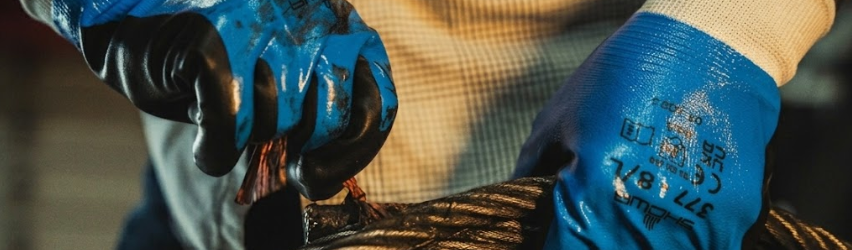
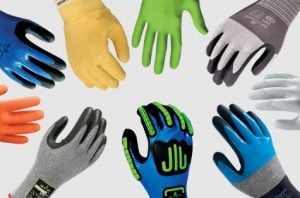
Modern hand protection is generally categorized into four primary manufacturing technologies. Understanding these is the first step in matching the right glove to the right task.
1. Coated Seamless Knit
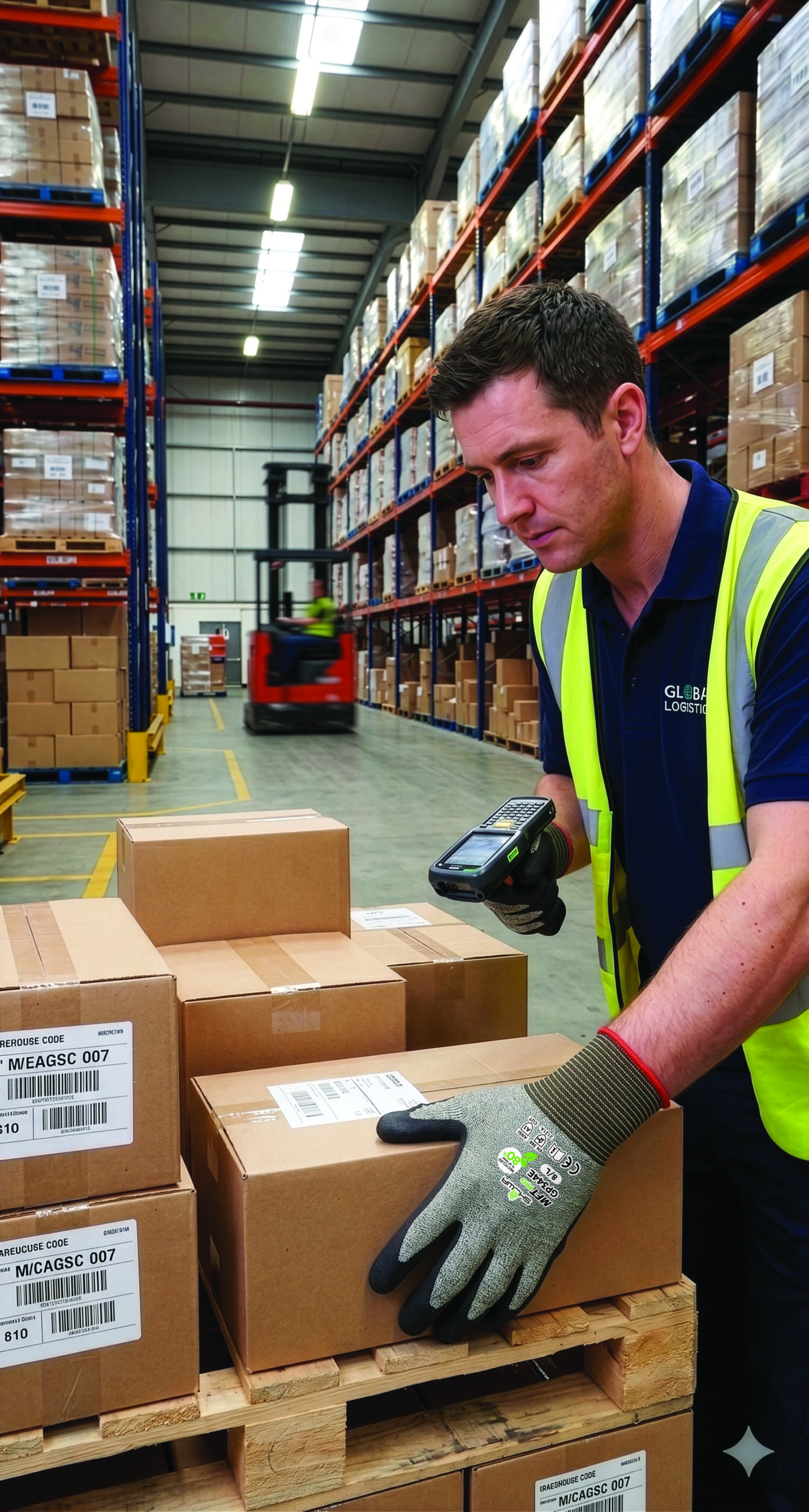
This is the “workhorse” of the modern industrial world. These gloves are produced on automated knitting machines that create a continuous, form-fitting liner without any seams.
- The Build: A machine knits the liner (using materials like Nylon, Polyester, or HPPE), which is then placed on a hand-shaped mold (a “former”) and dipped into a polymer coating like Nitrile or PU.
- The Advantage: Because there are no seams, there is no internal irritation or “rub” points. They offer a “second-skin” fit that provides excellent dexterity.
- Best For: General assembly, construction, and precision handling where touch sensitivity is vital.
2. Polymer Unsupported (Dipped)
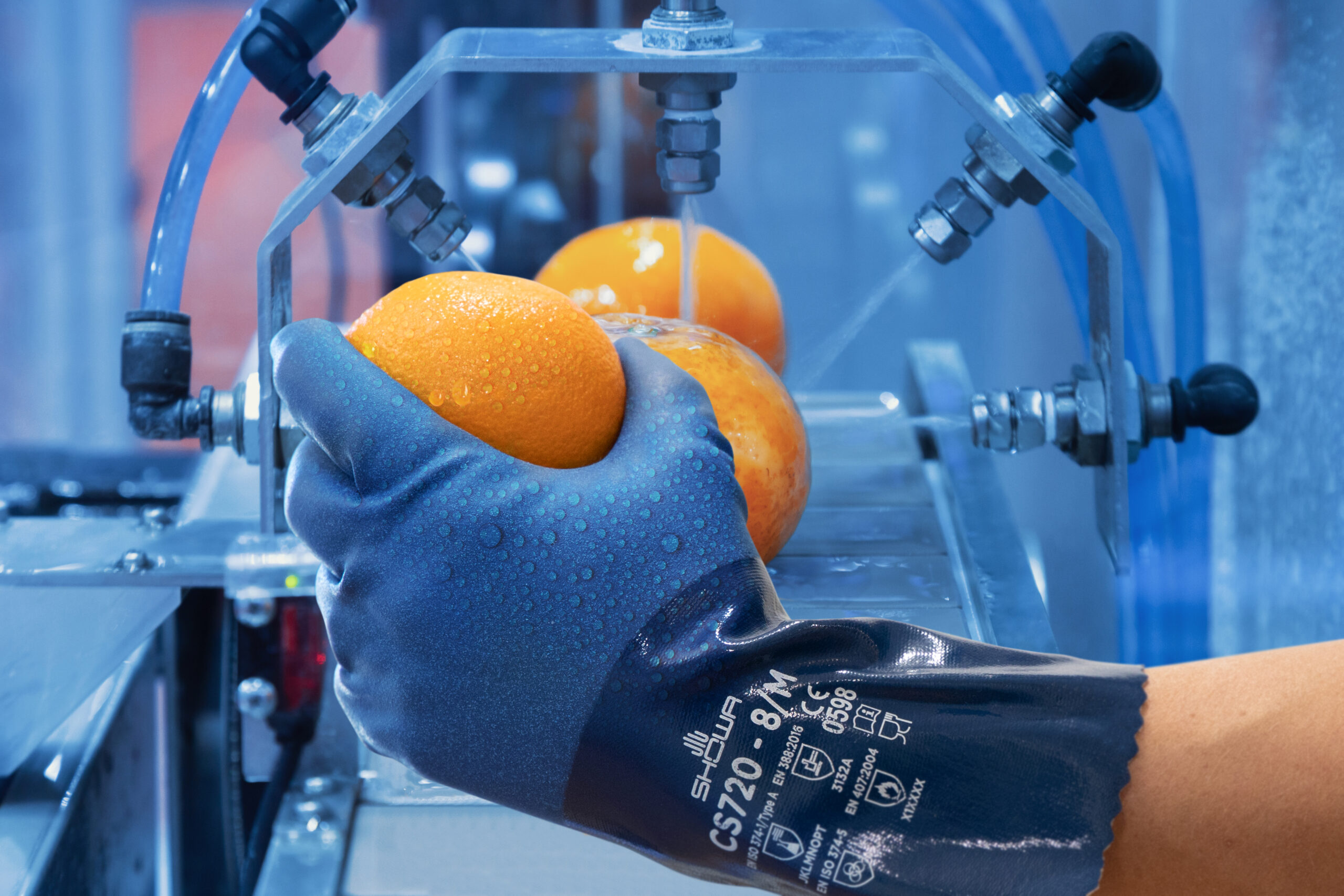
Unlike seamless knits, unsupported gloves contain no internal fabric liner. They are made entirely of a polymer material.
- The Build: A ceramic or metal former is dipped directly into a liquid chemical compound (like Neoprene, Nitrile, or Latex). Once cured, the glove is stripped off.
- The Advantage: These are liquid-proof and offer superior chemical resistance. Because there is no fabric to trap contaminants, they are easier to decontaminate.
- Best For: Chemical handling, laboratory work, and heavy-duty cleaning.
3. Cut and Sewn
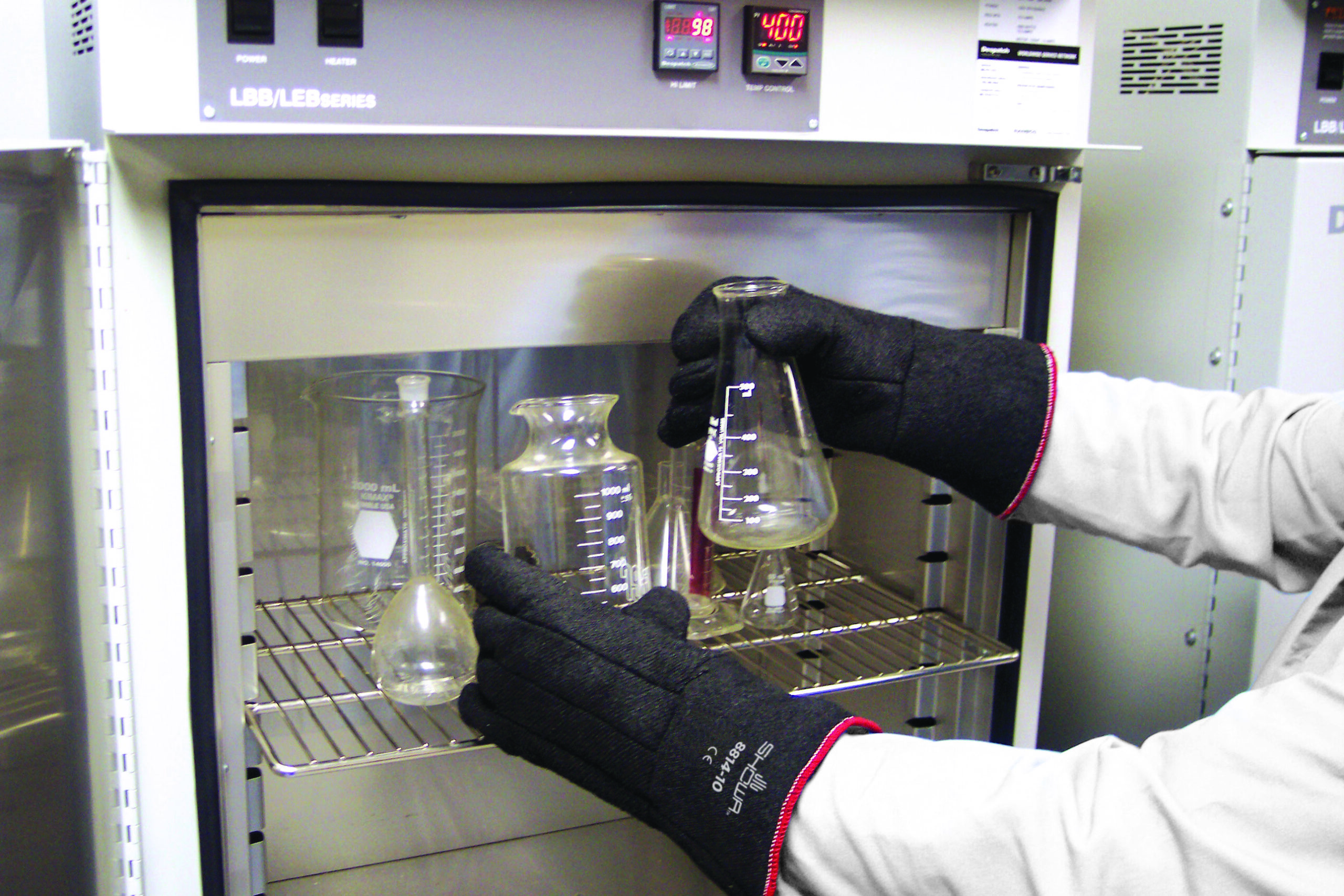
This is the traditional method of glove making, similar to how clothing is manufactured.
- The Build: Flat sheets of material, such as leather, synthetic leather, or heavy canvas, and are cut into specific patterns and stitched together.
- The Advantage:This technology allows for the use of materials that cannot be knitted or dipped, such as thick cowhide or specialised thermal insulators. They are often more rugged and can be reinforced with padding in high-impact areas.
- Best For: Rigging, heavy demolition, welding, and extreme cold-weather work.
4. Single-Use (Disposable after use)
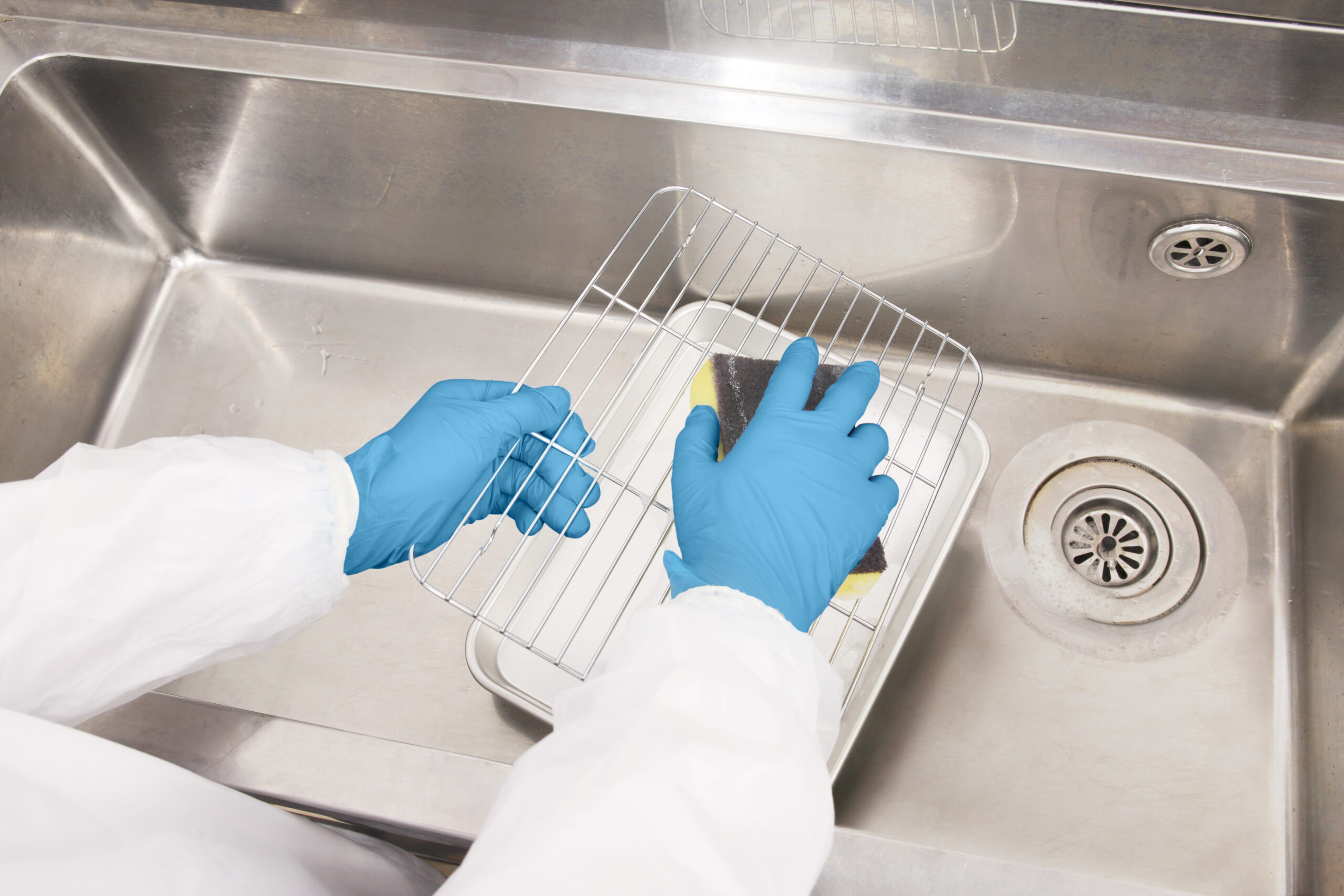
Designed for tasks where cross-contamination must be avoided or where high tactile sensitivity is the priority.
- The Build: These are very thin, unsupported polymer gloves (usually 2.5 to 8 mils thick). They are designed to be discarded after a single task or shift.
- The Advantage: They provide the highest level of “touch” and hygiene. While they offer minimal protection against cuts or heavy abrasions, they provide an excellent barrier against biological hazards and minor chemical splashes.
- Best For: Medical exams, food preparation, electronics assembly, mechanical precision work, professional cleaning, laboratory use, and painting.
Quick Comparison Table